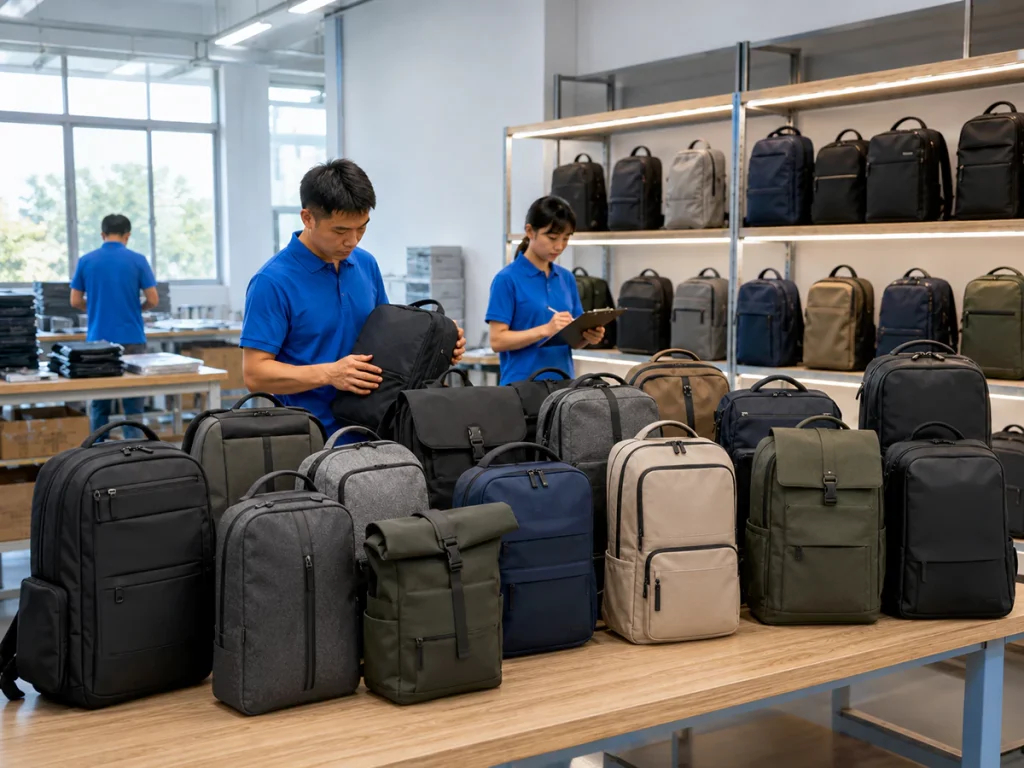
How to Start a Custom Backpack Brand
As an OEM manufacturer producing private-label and custom backpacks for international brands, we see the same questions repeatedly.
Most of them come from US and EU importers, Amazon sellers, and wholesalers preparing their first custom backpack project.
This guide provides a practical, step-by-step framework based on real factory workflows. It covers positioning, manufacturer selection, technical specifications, sampling, pricing structure, branding, production quality control, and scaling.
The goal is to help you move from concept to first shipment with realistic expectations and reduced risk.
Why Custom Backpack Brands Are Growing Rapidly in Global Markets
This is why many buyers planning a custom backpack brand start with a clear product niche before asking factories for pricing.
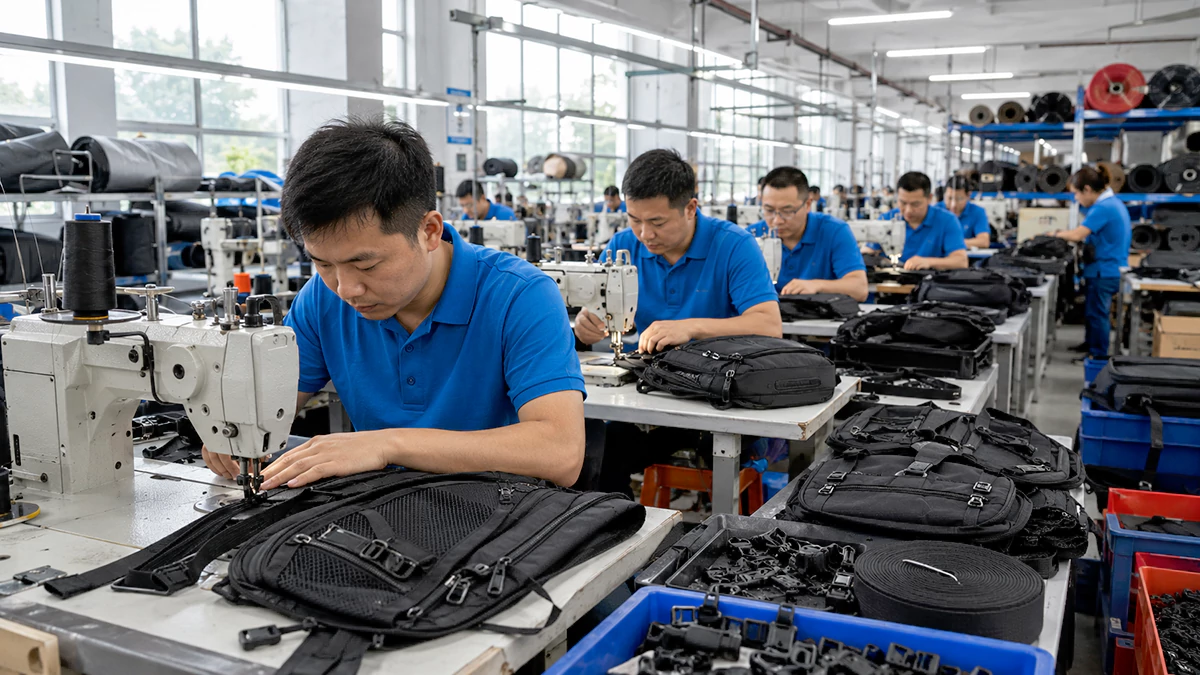
Understanding OEM vs ODM Backpack Manufacturing
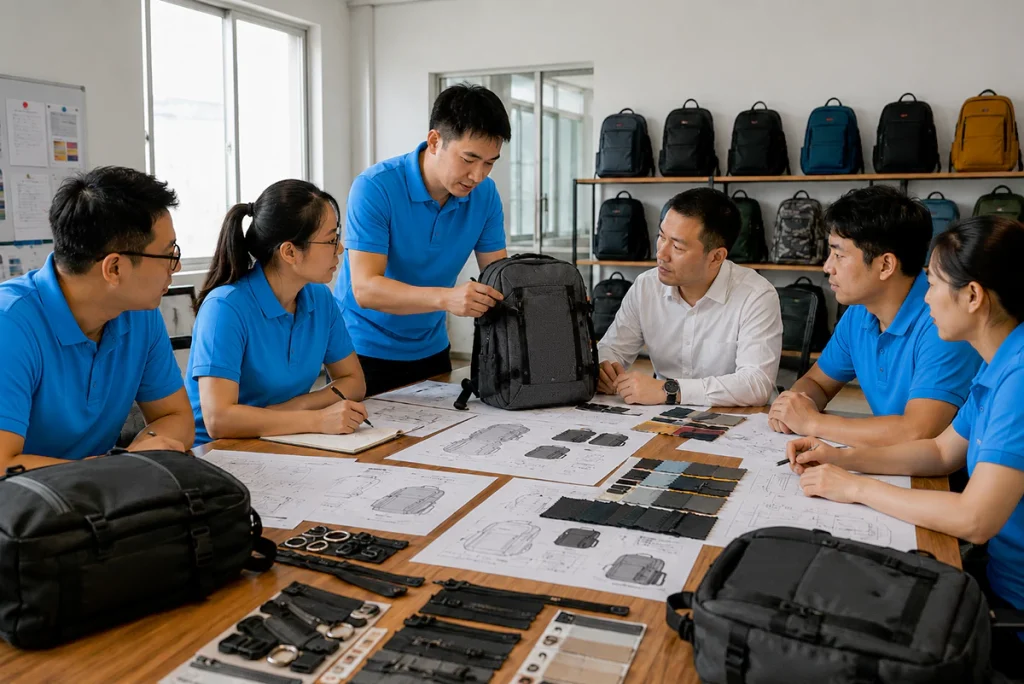
Step 1 – Define Your Backpack Brand Positioning and Target Market
A custom backpack brand should not begin with only a reference photo; it should begin with a clear user group, price range and product function.
- Who is the end user (students, professionals, hikers, travelers, corporate gifting)?
- What price range will the retail or wholesale price support?
- What are the key performance requirements (water resistance, laptop protection, weight, durability, sustainability)?
- What makes your brand different (materials, features, story, aesthetics)?
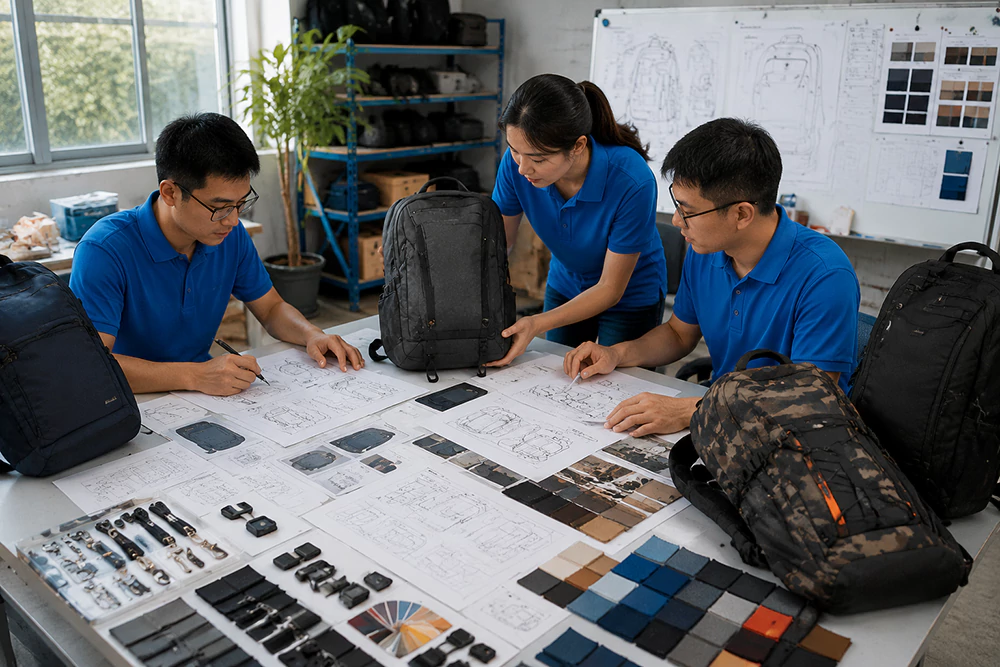
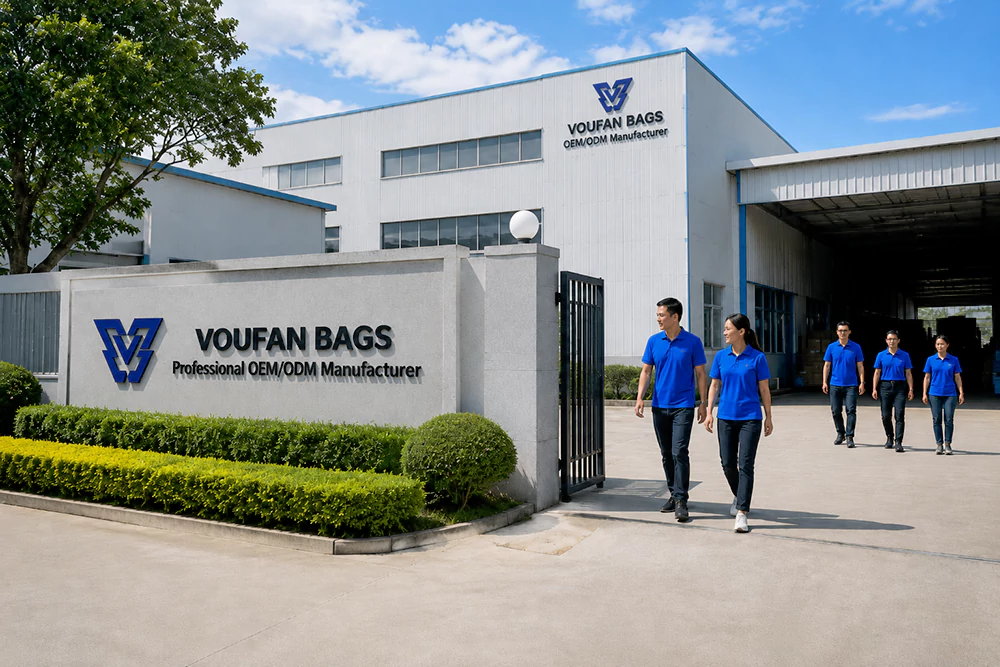
Step 2 – How to Select a Reliable Backpack Manufacturer
For a custom backpack brand, the right manufacturer is not only the cheapest supplier, but the factory that can control sampling, materials and repeat production.
Evaluate potential OEM partners on these criteria:
- Years in business and specialization in backpacks (not general bags)
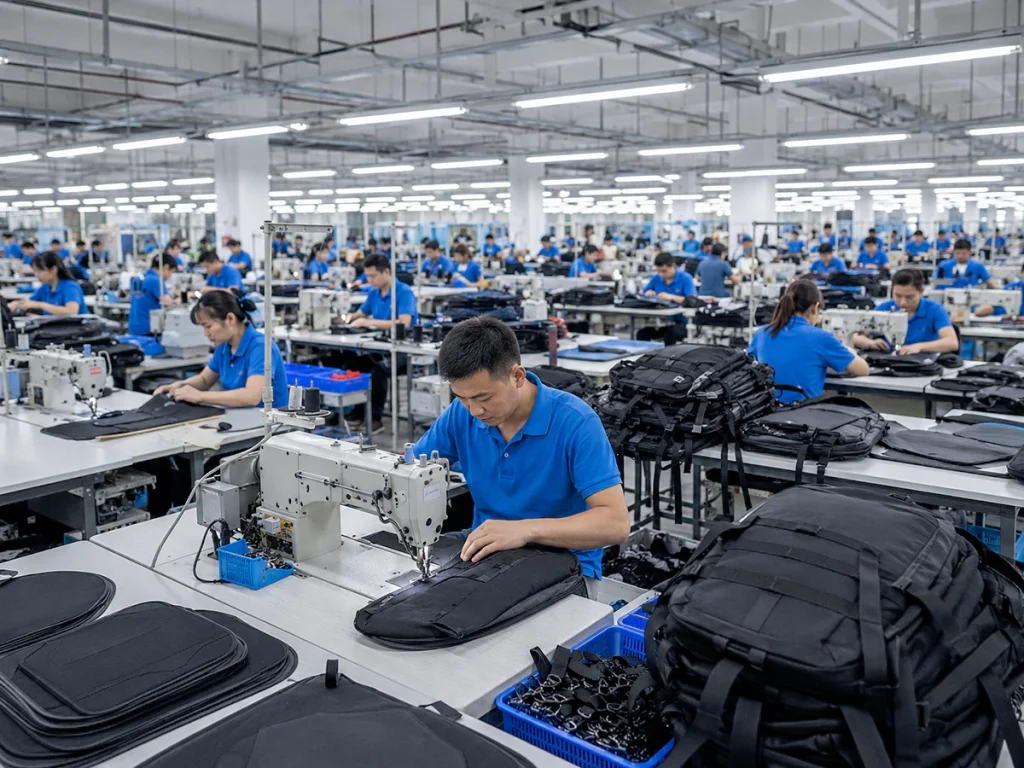
- In-house capabilities (cutting, sewing, assembly, printing/embroidery, quality lab)
- Export experience to your target market (US/EU compliance, testing)
- Communication responsiveness and English/technical proficiency
- Willingness to share references, factory audit reports, and material certifications
- Transparent MOQ, sampling, and pricing policies
When choosing a manufacturing partner, it’s essential to assess not only their production capabilities but also their experience with international buyers and ability to maintain consistent quality at scale.
Our OEM & Private Label Guide offers practical insights into supplier evaluation, quality standards, and what to look for when working with OEM factories.
Step 3 – Material Selection and Technical Specifications
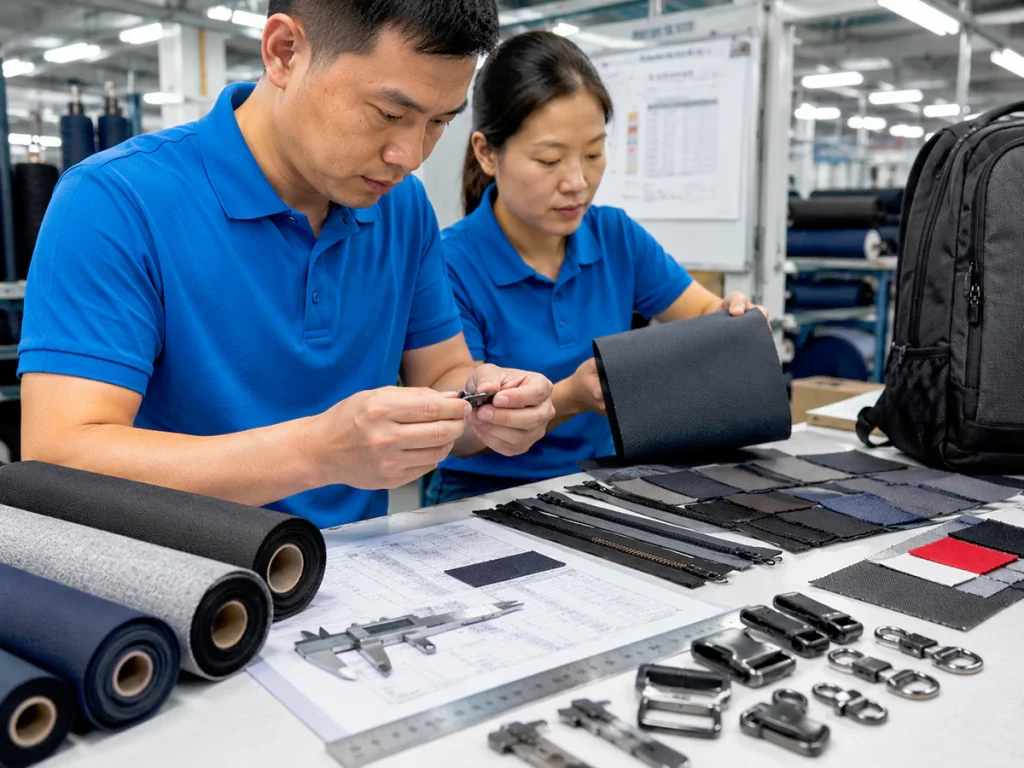
Material choice drives both cost and performance when developing a custom backpack brand. Common options include:
- 600D–900D polyester: Balanced cost and durability for everyday/school use
- 1680D ballistic nylon or Cordura: Premium abrasion resistance for travel/tactical
- Recycled polyester or RPET: Growing demand for sustainability claims
- Oxford or ripstop fabrics for lighter constructions
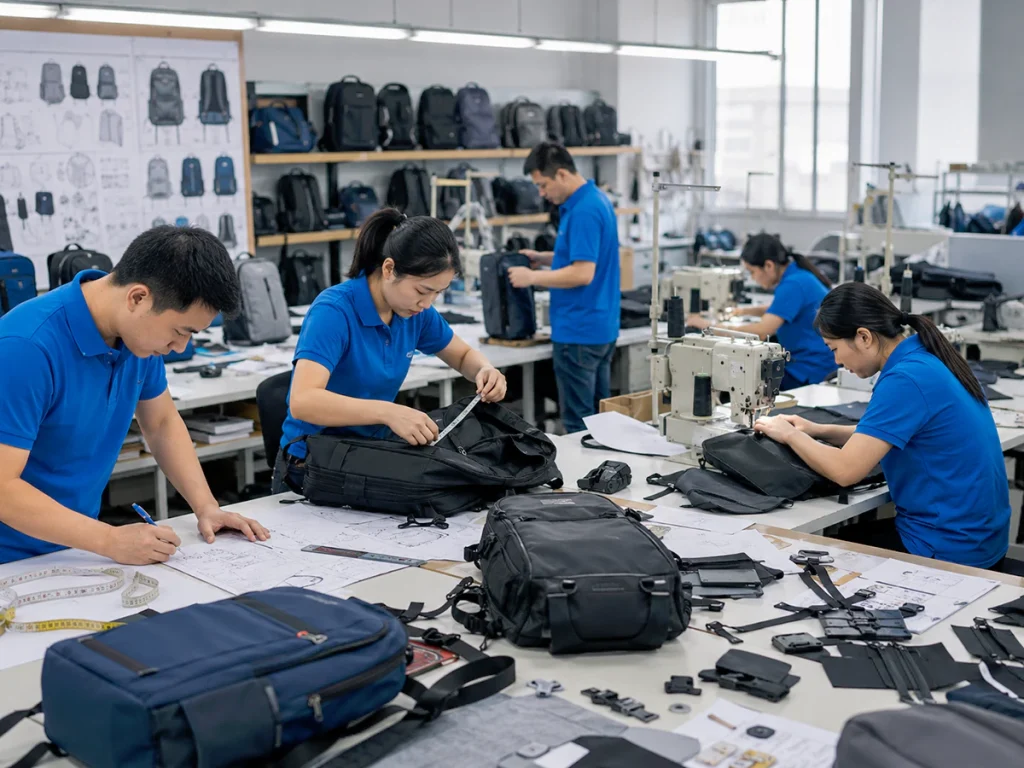
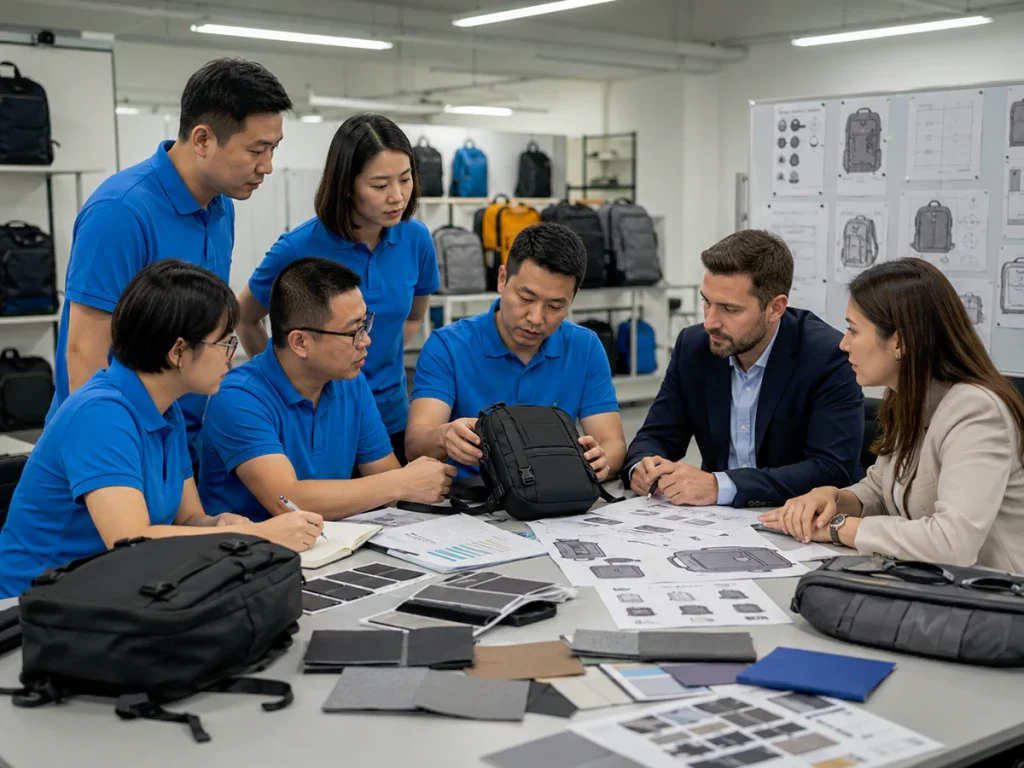
Step 4 – Sample Development and Prototyping Workflow
- Tech pack review and quotation
- Material sourcing and approval
- Pattern making and first prototype (usually 7–21 days)
- Revisions (1–3 rounds common)
- Pre-production sample (gold sample) for approval
A custom backpack brand should treat the approved sample as the production standard, not just a design reference.
Step 5 – MOQ, Pricing Structure, and Cost Drivers Explained
Typical MOQ for a custom backpack brand usually ranges from 300–500 pieces per style and color for standard constructions.
More complex designs, custom hardware, or special materials may require 500–1,000+ pieces for economic viability.
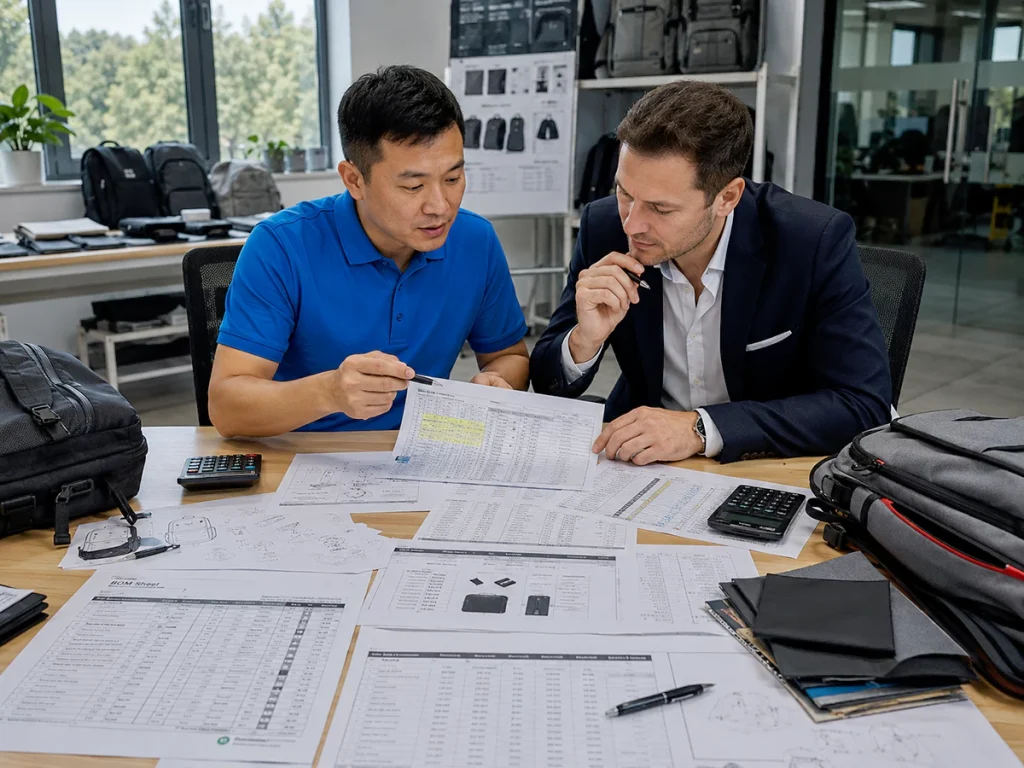
Factory pricing structure usually breaks down as:
- Materials (fabric, zippers, hardware, foam): 55–70%
- Labor and overhead: 20–30%
- Profit margin and factory costs: balance
A basic school backpack may cost around USD 6–12 FOB China at 500+ pieces, depending on fabric, lining, zipper quality, padding, and packaging. A premium laptop backpack with better hardware and padding often ranges USD 14–28.
Total landed cost includes shipping, duties, and inspection fees. Request a detailed BOM (Bill of Materials) breakdown so you understand where costs can be optimized without sacrificing quality.
Step 6 – Branding, Packaging, and Private Label Strategy
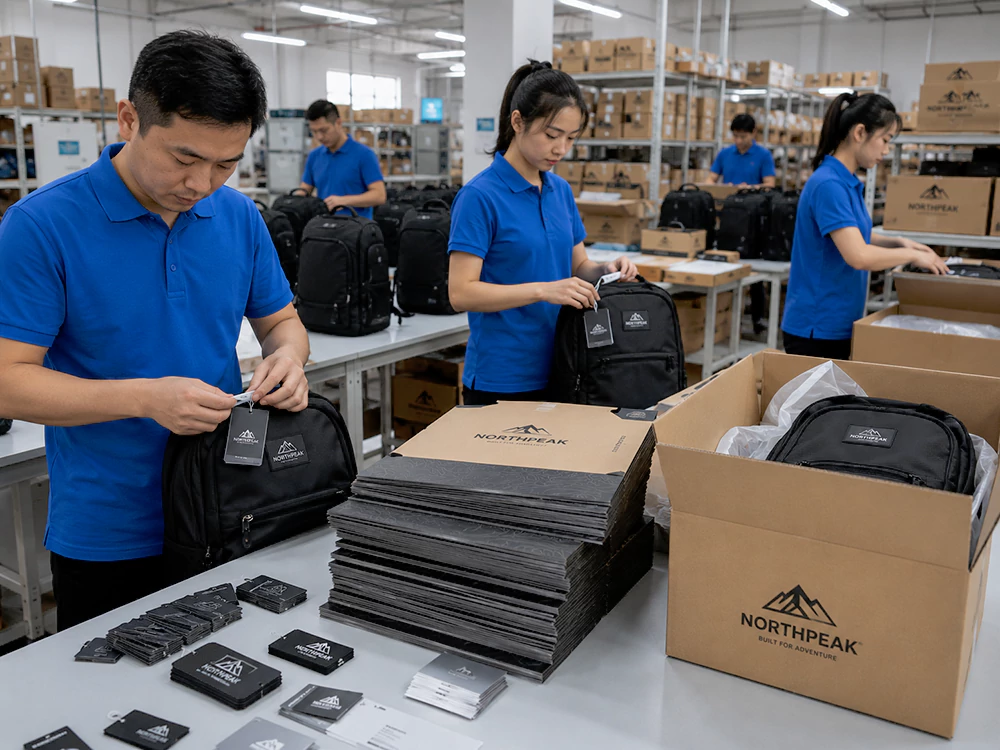
Private labeling is an effective strategy for a custom backpack brand that wants to bring products to market under its own name without handling every stage of product development from scratch.
Since we’ve covered the key elements of branding and packaging above, you can read our detailed guide here:
Step 7 – Mass Production, QC, and Factory Inspection Standards
For buyers who want to understand inspection sampling standards, you can also refer to the general AQL explanation from QIMA.
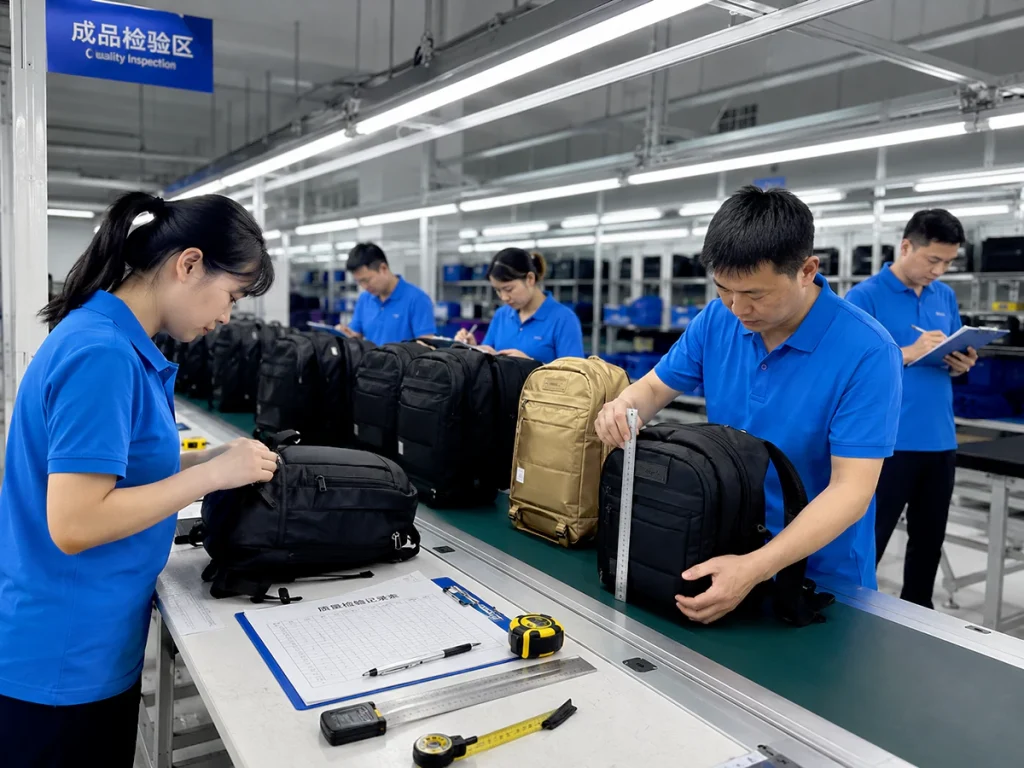
Buyers should arrange third-party pre-shipment inspection (PSI) for larger orders.
Key checkpoints include stitching consistency, hardware function, measurements within tolerance, color matching, and packaging accuracy. Document everything with photos and signed approval samples.
Step 8 – Logistics, Shipping Terms, and Delivery Optimization
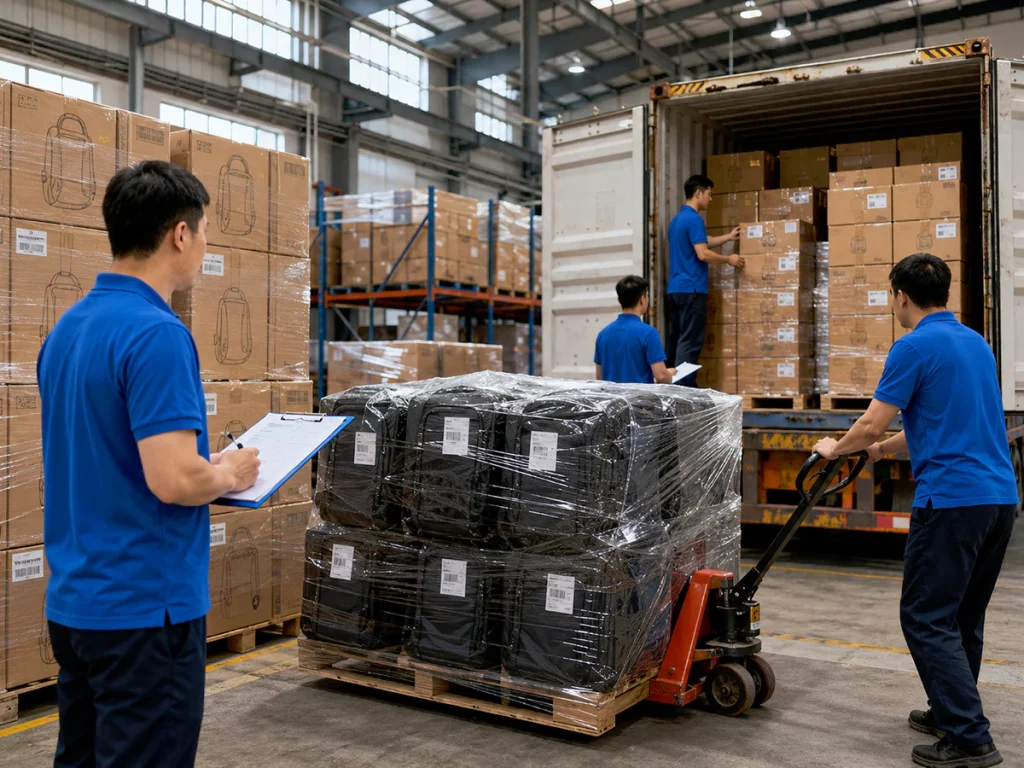
For a custom backpack brand, delivery planning should be confirmed before production starts, especially for launch dates, seasonal sales, or Amazon inventory schedules.
Common Mistakes New Backpack Brands Make (Critical Section)
- Underestimating total landed cost (focusing only on factory price)
- Choosing the lowest MOQ without verifying long-term scalability
- Skipping detailed tech packs or material testing
- Poor communication leading to multiple revision rounds and delays
- Ignoring IP protection or proper contracts
- Selecting factories based solely on price rather than capability and reliability
How to Scale From Small Orders to Global Brand Distribution
Final Takeaway: Building a Sustainable Backpack Brand
Success in building a custom backpack brand comes from realistic planning, clear communication, and consistent factory execution.
The right OEM partner should help manage sampling, quality control, and repeat production instead of only quoting the lowest possible price.